Data Depth: Measured vs Calculated
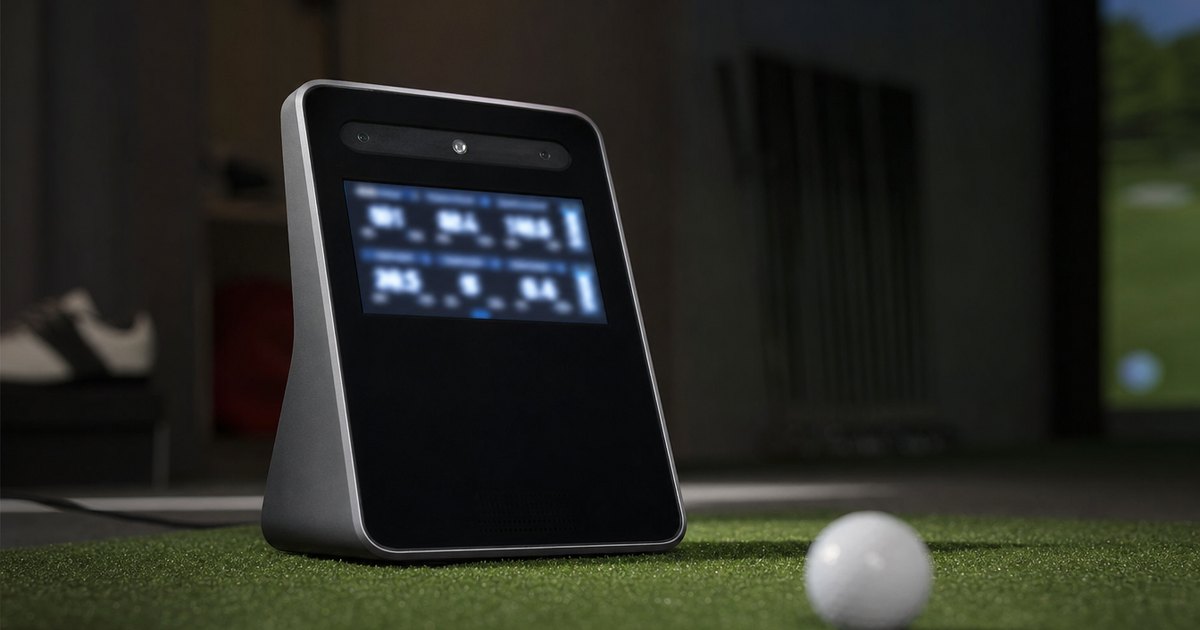
This is the heart of Launch Monitor Data: what each unit actually measures versus what it calculates. Ball speed, club speed, spin, launch angle, smash factor and carry are not all captured the same way — some are read directly, others derived. This silo compares the units model by model on their data method (Doppler radar or photometric camera), which parameters are measured versus calculated, and the published accuracy bands. Specs are verified against manufacturer details; no hands-on accuracy testing is claimed.
Measured vs calculated: the only distinction that matters
Every launch monitor prints a row of numbers, and they all look equally trustworthy. They are not. A measured parameter is read directly by the sensor. A calculated one is derived from the measured numbers using a model. Both appear as clean, confident figures on the screen, and the unit gives you no visible flag for which is which. That gap is the whole reason this silo exists: you can build smart practice on a measured number, and you can quietly ruin a season building a swing change on a calculated one. The home-sim build guide tells the long version of how that goes wrong; this silo is where you check, unit by unit, before it happens to you.
Doppler radar vs photometric camera
Which numbers a unit measures versus calculates comes down to how it sees the ball, and there are two main families.
Doppler radar
Radar tracks the ball through its flight to work out speed, launch and, on better units, spin. It thrives outdoors where the ball flies far enough to give the radar a long look, which is why radar units are the range-friendly tier. Indoors they need enough distance to the screen to capture a usable arc. On many affordable radar units, ball speed and launch are measured well while spin is calculated from that flight data — accurate on a clean strike, less so on a mishit or an unexpected ball.
Photometric camera
A photometric unit photographs the ball, and often the club, in the instant around impact, reading launch and spin directly off the surface. Because it reads spin at the moment of strike rather than inferring it from flight, a good photometric unit tends to measure spin rather than calculate it, and it does so in a compact space. That is why camera units anchor serious indoor and prosumer builds. The trade-offs are usually price, lighting and, on some units, marked balls. The best launch monitors for measured spin guide is built around this divide.
The parameters, and how each is usually captured
You do not need every number a unit can report — you need the handful that drive decisions, and you need to know whether each is read or derived.
- Ball speed. The foundation, measured well by almost every unit. Most other numbers lean on it, so a trustworthy ball speed is the floor for trustworthy data.
- Club head speed. Measured directly by some units, estimated by others. Useful for tracking progress, but confirm whether it is read before you treat small changes as real.
- Launch angle. Generally measured well and reliable, even on budget units — one of the safer numbers to act on.
- Spin. The headline parameter and the one most often calculated rather than measured. Backspin shapes carry and stopping power; sidespin shapes curve. If you will change a swing or a ball based on spin, make sure the unit measures it.
- Smash factor. Ball speed divided by club speed — a calculated efficiency figure, only as good as the two inputs feeding it.
- Carry and total. Modelled from the measured launch numbers plus ball and condition assumptions. Useful for gapping, but a projection rather than a tape measure.
Published accuracy bands, read honestly
Manufacturers publish accuracy bands — the expected error range for each parameter — and these are worth comparing, with two caveats. First, an accuracy band on a calculated parameter still depends on the model holding up for your swing and ball, so a tight published band on calculated spin is not the same promise as a measured one. Second, these are manufacturer figures: this site aggregates the published specs and data methods, and does not run its own accuracy testing on named units. Treat the bands as a structured comparison, confirm them on the manufacturer's site, and weight your buying decision toward what a unit measures over what it calculates.
Featured guides
The current published guides in this silo. More land each batch.
Landing next: Bushnell Launch Pro, Uneekor EYE MINI, TrackMan 4, Uneekor EYE XO, Doppler vs photometric explained, measured-vs-calculated spin, and the Garmin R10 data deep-dive.
Frequently asked questions
What is the difference between measured and calculated data?
A measured parameter is read directly by the unit — ball speed by radar, or spin by a photometric camera. A calculated parameter is derived from other measurements. Many units measure ball speed and launch, then calculate spin from that data. The calculated number can look precise and still be wrong, which is the whole reason this silo exists.
Doppler radar or photometric camera — what is the difference?
Doppler radar tracks the ball in flight, which works well outdoors and with enough room. Photometric (camera) systems photograph the ball at impact, which suits tight indoor bays and often measures spin directly. Each method measures different parameters directly and calculates others, so the data method shapes which numbers you can trust.